
Identify Common Pests in Your Area
Not sure what you're dealing with? Browse common pests found in Sullivan County and surrounding areas to better understand what may be affecting your home or business. If you're unsure, contact us for a professional inspection.
Many pests look similar, but require very different treatments. Use this guide to identify common insects and rodents in the area. If you’re not completely sure, it’s always best to have a professional take a look.
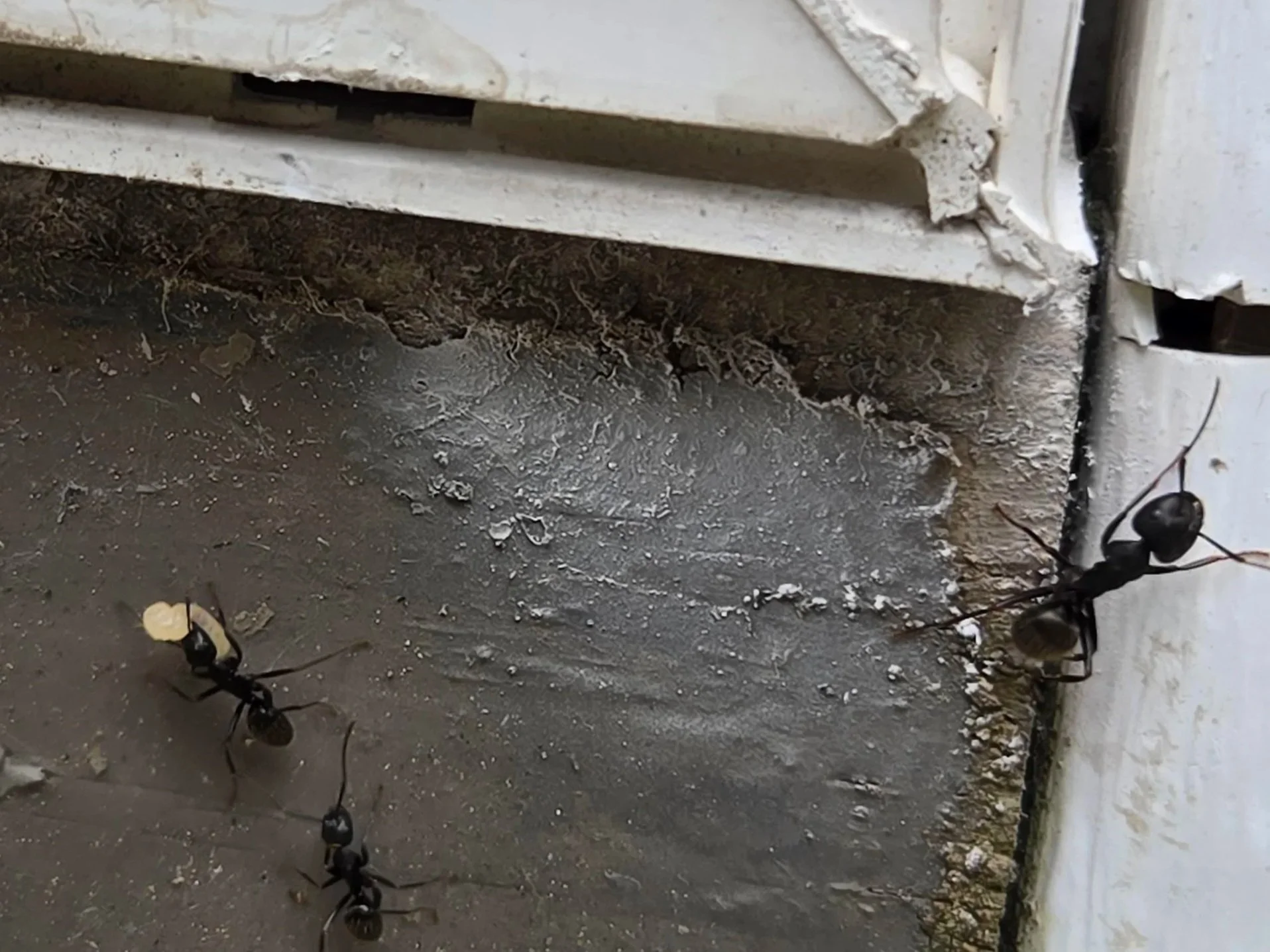
Ants
-
Carpenter ants are large ants that tunnel through wood to build nests.
Where you’ll find them:
Damp or damaged wood, inside walls, around windows, and near foundations.Signs of an infestation:
Sawdust-like debris (frass)
Rustling sounds in walls
Large black ants indoors
Why they’re a problem:
They can weaken wood structures over time. -
Small ants commonly found around sidewalks and foundations.
Where you’ll find them:
Cracks in pavement, driveways, and along building foundations.Signs of an infestation:
Small ant trails indoors
Dirt mounds near cracks
Why they’re a problem:
They invade homes in search of food and can spread quickly. -
Ants attracted to sweet foods and moisture.
Where you’ll find them:
Kitchens, pantries, and near food or drink spills.Signs of an infestation:
Trails near sugary foods
Activity around sinks or counters
Why they’re a problem:
They contaminate food and can be difficult to control without proper treatment.
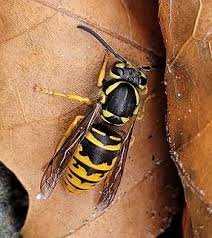
Stinging Insects
-
Wasps are aggressive insects that build nests around homes.
Where you’ll find them:
Under eaves, decks, railings, and outdoor structures.Signs of an infestation:
Visible nests
Increased activity around your home
Why they’re a problem:
They can sting multiple times and become aggressive when disturbed. -
Bees that drill into wood to create nesting tunnels.
Where you’ll find them:
Wooden decks, siding, fences, and trim.Signs of an infestation:
Perfectly round holes in wood
Sawdust below entry points
Why they’re a problem:
They can damage wood over time and attract other pests. -
Large hornets that are active day and night.
Where you’ll find them:
Trees, wall voids, attics, and barns.Signs of an infestation:
Loud buzzing
Visible nests or high activity
Why they’re a problem:
They can sting and may become aggressive near nests. -
A type of hornet known for large aerial nests.
Where you’ll find them:
Trees, shrubs, and building overhangs.Signs of an infestation:
Large gray hanging nests
Aggressive behavior near nest
Why they’re a problem:
They are highly protective and will sting if disturbed. -
Important pollinators that may nest in structures.
Where you’ll find them:
Wall voids, trees, and sheltered outdoor spaces.Signs of an infestation:
Constant bee traffic
Entry point in walls or siding
Why they’re a problem:
Nesting inside structures can cause damage and require careful removal. -
Highly aggressive stinging insects.
Where you’ll find them:
Underground nests, wall voids, or near garbage.Signs of an infestation:
Sudden swarming
Activity around food or trash
Why they’re a problem:
They can sting multiple times and are very aggressive.

Rodents and Wildlife
-
Small rodents that enter homes for food and shelter.
Where you’ll find them:
Kitchens, basements, attics, and inside walls.Signs of an infestation:
Droppings
Scratching noises
Chewed materials
Why they’re a problem:
They contaminate food and can damage wiring. -
Outdoor mice that may enter homes seasonally.
Where you’ll find them:
Fields, yards, garages, and homes during colder months.Signs of an infestation:
Nesting materials
Activity near entry points
Why they’re a problem:
They can multiply quickly and become a recurring issue. -
Rats that prefer high places and nesting in structures.
Where you’ll find them:
Attics, ceilings, and upper areas of buildings.Signs of an infestation:
Noises in ceilings
Droppings
Gnaw marks
Why they’re a problem:
They spread bacteria and cause structural damage. -
Larger rats that burrow and stay near ground level.
Where you’ll find them:
Basements, foundations, and burrows outside.Signs of an infestation:
Burrows
Strong odors
Large droppings
Why they’re a problem:
They can damage property and carry disease.
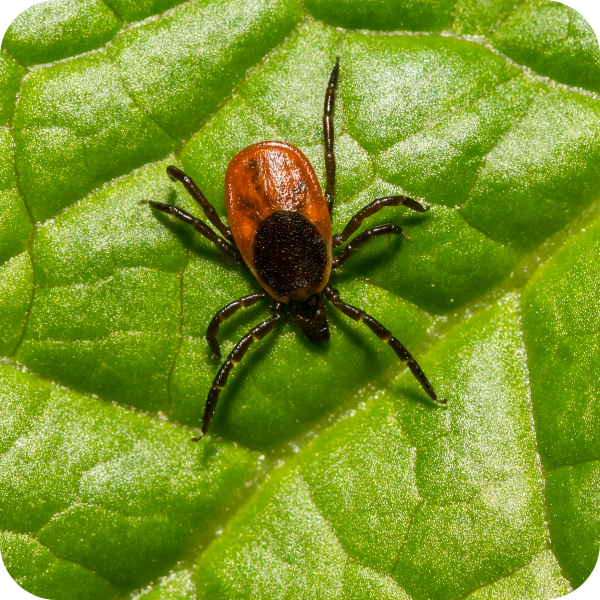
Biting Pests
-
Common outdoor pests that breed in standing water.
Where you’ll find them:
Yards with water, shaded areas, and vegetation.Signs of an infestation:
Frequent bites
Activity at dusk
Why they’re a problem:
They make outdoor spaces uncomfortable and can carry disease. -
Small ticks known for transmitting Lyme disease.
Where you’ll find them:
Wooded areas, tall grass, and on animals.Signs of an infestation:
Found on skin or clothing
Activity after outdoor exposure
Why they’re a problem:
They can transmit serious illnesses. -
Larger ticks commonly found on pets.
Where you’ll find them:
Yards, grassy areas, and on animals.Signs of an infestation:
Visible ticks on pets or people
Why they’re a problem:
They can spread disease and affect pets. -
Small insects that feed on blood and hide in bedding.
Where you’ll find them:
Mattresses, furniture, and cracks in walls.Signs of an infestation:
Bites in clusters
Blood spots on sheets
Dark stains
Why they’re a problem:
They spread quickly and are difficult to eliminate.
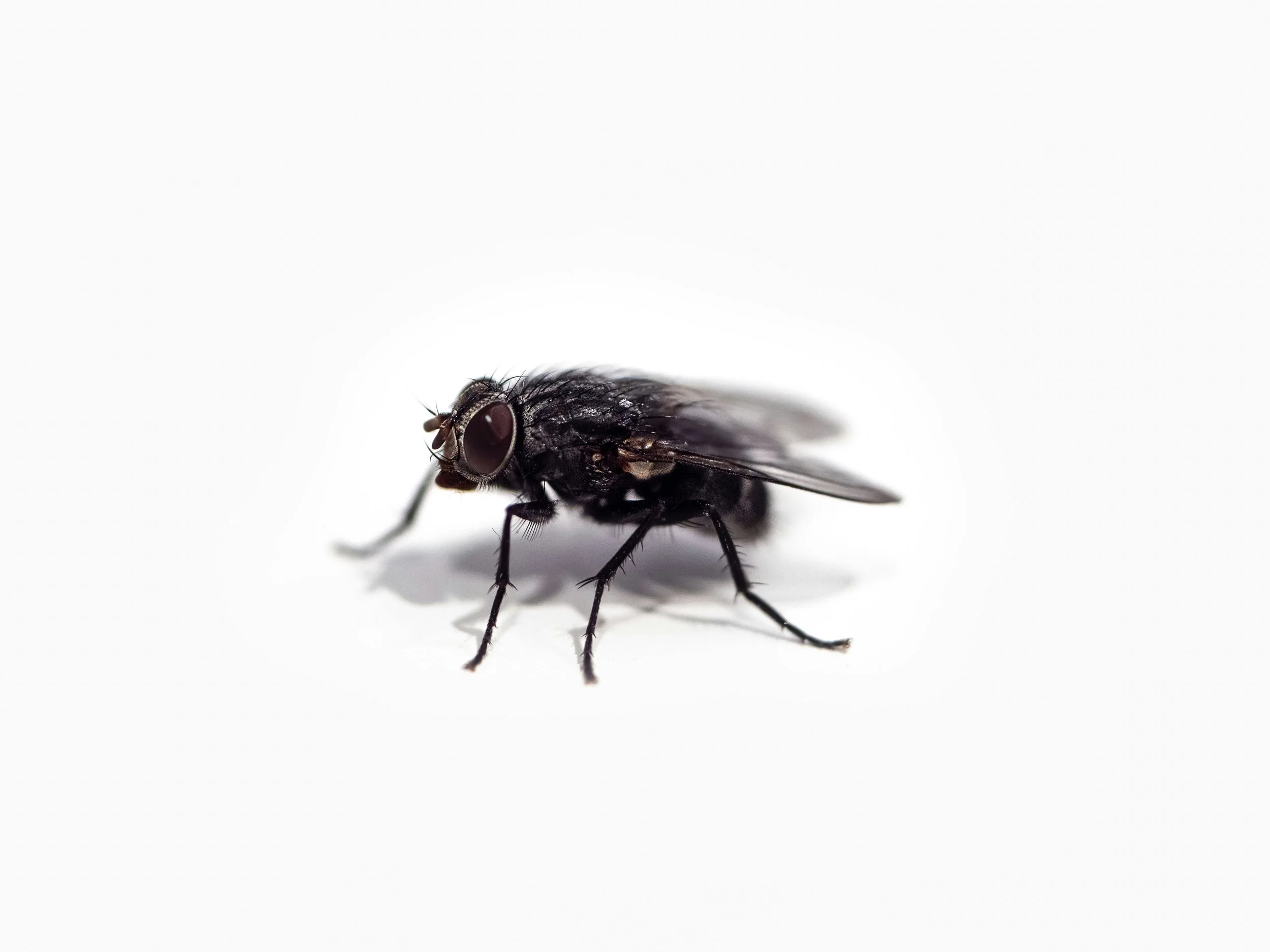
Flies
-
Common indoor pest attracted to food and waste.
Where you’ll find them:
Kitchens, garbage areas, and near food.Signs of an infestation:
Frequent indoor flies
Why they’re a problem:
They can spread bacteria and contaminate surfaces. -
Slow moving flies that gather in large numbers.
Where you’ll find them:
Windows, attics, and walls, especially in cooler months.Signs of an infestation:
Groups near windows
Seasonal appearance
Why they’re a problem:
They can become a nuisance in large numbers.